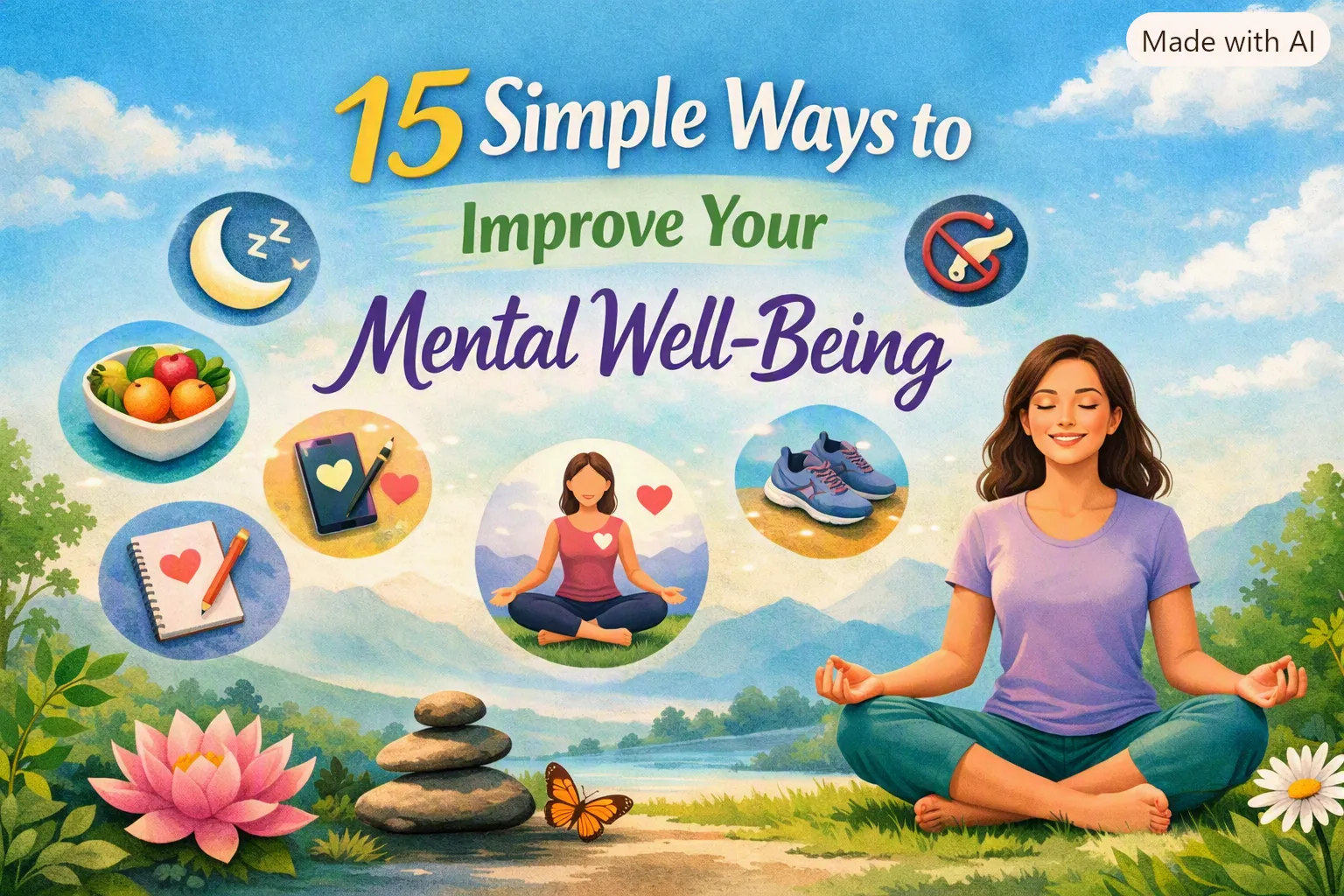
Mental Health Tips: 15 Simple Ways to Improve Your Mental Well-Being
Taking care of your mental health does not always require a major life transformation. Sometimes, the most meaningful changes begin with small habits that you can realistically repeat every day.
If you are looking for Mental Health Tips that fit into a busy American lifestyle, the most useful approach is to focus on practical habits rather than quick fixes. Sleep, physical activity, social connection, stress management, healthy eating, personal boundaries, and knowing when to ask for help can all play an important role in overall well-being.
Mental health is closely connected to physical health, and the CDC describes mental health as an important part of overall health and well-being.
The following Mental Health Tips can help you build a healthier daily routine while also recognizing when professional support may be appropriate.
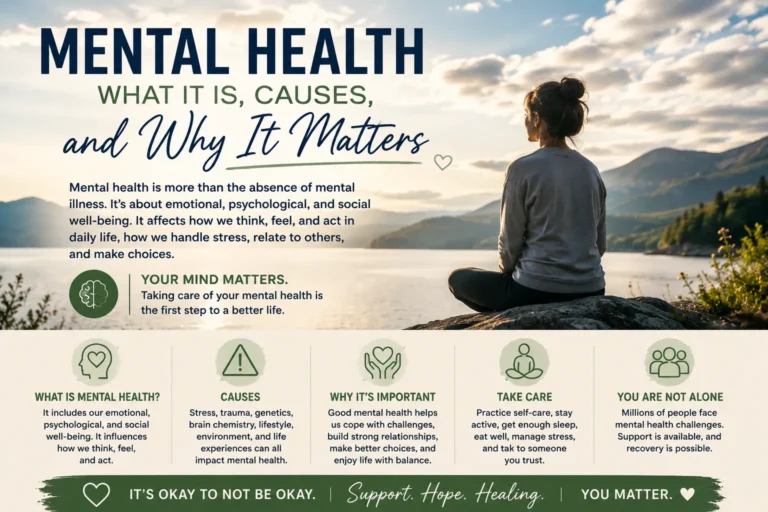
What Is Mental Health?
Mental health involves your emotional, psychological, and social well-being. It can influence how you think, feel, behave, handle stress, make decisions, and connect with other people.
Good mental health does not mean feeling happy every moment.
Everyone experiences difficult emotions, stressful situations, disappointment, grief, frustration, or uncertainty. The goal is not to eliminate every negative emotion but to develop healthy ways to respond to life’s challenges.
That is why effective Mental Health Tips should focus on building resilience and healthy routines rather than promising that you will never feel stressed or sad.
Why Mental Health Should Be Part of Your Daily Routine
Many people wait until they feel overwhelmed before paying attention to their mental health.
A better approach is to think of mental wellness as something you can support regularly.
Just as you may brush your teeth, eat meals, exercise, or attend medical appointments, mental health can also benefit from consistent attention.
The CDC notes that managing stress on a daily basis may help prevent stress from becoming long-term and recommends healthy coping strategies such as taking breaks, connecting with others, getting enough sleep, being physically active, and making time to unwind.
This makes everyday Mental Health Tips particularly valuable because they can be incorporated into ordinary routines.
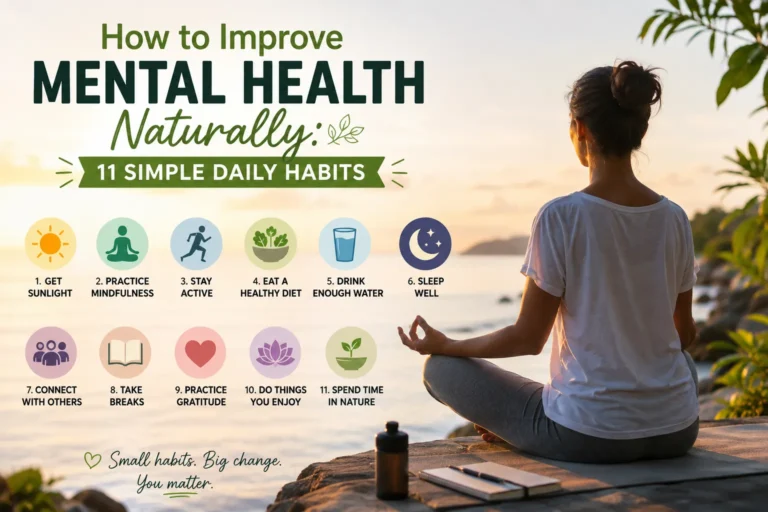
15 Mental Health Tips You Can Start Using Today
1. Prioritize Consistent Sleep
One of the most important Mental Health Tips is also one of the easiest to underestimate: make sleep a priority.
Your mind needs time to recover from the demands of the day. An irregular or insufficient sleep routine can make it harder to concentrate, manage emotions, and deal with everyday stress.
The CDC recommends that adults get at least seven hours of sleep per night and suggests maintaining consistent sleep and wake times.
Try creating a simple nighttime routine:
- Go to bed at a consistent time.
- Wake up at approximately the same time each day.
- Create a relaxing wind-down period.
- Keep your bedroom comfortable and quiet.
- Reduce stimulating activities before bedtime.
You do not need a perfect sleep routine. Start by making one small improvement.
2. Move Your Body Every Day
Physical activity is another powerful part of practical Mental Health Tips.
Exercise does not have to mean spending hours at a gym. Walking, dancing, cycling, swimming, stretching, gardening, or other enjoyable activities can help you become more physically active.
The CDC recommends starting small and gradually building physical activity into your week.
If you currently spend most of the day sitting, try starting with a short walk.
The goal is consistency—not perfection.
3. Take Breaks From Constant Information
Phones and social media can make it difficult to mentally disconnect.
News, notifications, messages, videos, and social platforms can keep your attention engaged throughout the day.
One useful Mental Health Tip is to create intentional periods without constant digital stimulation.
You might:
- Turn off unnecessary notifications.
- Take short breaks from social media.
- Avoid scrolling during meals.
- Keep your phone away during your wind-down routine.
- Choose specific times to check news.
The CDC specifically recommends taking breaks from news and social media when constant exposure becomes upsetting.
You do not have to disconnect completely. The goal is to create healthier boundaries.
4. Spend Time Outdoors
Another simple addition to your list of Mental Health Tips is spending time outside.
You might walk around your neighborhood, sit in a park, work in a garden, or simply spend a few quiet minutes outdoors.
Combining outdoor time with physical activity can make the habit even easier to maintain.
Instead of thinking, “I need to exercise for an hour,” try thinking:
“I am going outside for a short walk.”
Making the goal smaller can make it easier to begin.
5. Stay Connected With People You Trust
Human connection matters.
When life becomes stressful, some people withdraw from friends, family, coworkers, or their community.
One of the most valuable Mental Health Tips is to maintain meaningful connections, even when you do not feel particularly social.
You could:
- Call a friend.
- Have coffee with someone.
- Talk with a family member.
- Join a community group.
- Participate in a hobby.
- Send a simple message to someone you care about.
The CDC recommends talking with people you trust about concerns and feelings as part of healthy stress management.
You do not need dozens of relationships. A few supportive connections can be meaningful.
6. Learn to Recognize Your Stress Triggers
Stress does not always appear out of nowhere.
Work, financial concerns, relationship problems, health concerns, major changes, lack of sleep, and information overload can all contribute to stress.
A useful Mental Health Tip is to identify patterns.
Ask yourself:
When do I feel most overwhelmed?
What usually happens before I feel stressed?
What situations make it difficult for me to relax?
Writing down these patterns can help you recognize situations that repeatedly affect your emotional well-being.
The APA recommends identifying healthy strategies for managing stress and emphasizes that different approaches may work for different people.
7. Practice Deep Breathing or Mindfulness
When your mind feels overloaded, taking a short pause can be useful.
Try sitting comfortably and paying attention to your breathing.
You can also notice:
- What you can see.
- What you can hear.
- What you can physically feel.
- How your body feels.
- What thoughts are passing through your mind.
These techniques are not designed to make every problem disappear.
Instead, they can provide a short opportunity to slow down and redirect your attention.
The APA includes grounding and other practical stress-management techniques among its evidence-informed approaches for managing stress.
8. Write Down What Is Bothering You
Journaling can be another helpful addition to your Mental Health Tips routine.
You do not need to write pages every day.
Try answering three questions:
What am I feeling?
What is causing the most stress right now?
What is one thing I can control today?
Writing can help organize thoughts that feel overwhelming when they remain in your head.
The CDC includes keeping a journal among healthy ways to manage stress.
9. Eat in a Way That Supports Your Overall Health
Food is not a cure for mental health conditions, but your eating habits are part of your overall health.
A balanced eating pattern can include:
- Fruits.
- Vegetables.
- Whole grains.
- Beans and legumes.
- Lean sources of protein.
- Healthy fats.
- Adequate fluids.
One of the practical Mental Health Tips here is to avoid making your diet unnecessarily complicated.
Instead of searching for a “perfect” food, focus on building balanced meals consistently.
The CDC recommends healthy eating patterns that include fruits, vegetables, lean protein, and whole grains while limiting foods high in unhealthy fats, salt, and added sugars.
10. Give Yourself Permission to Rest
Rest is not the same thing as laziness.
Modern life can create pressure to remain productive constantly.
You may feel that you should always be working, cleaning, exercising, answering messages, taking care of others, or accomplishing another task.
One of the most overlooked Mental Health Tips is to schedule genuine downtime.
That could mean:
- Reading.
- Listening to music.
- Sitting quietly.
- Taking a relaxing shower.
- Spending time with family.
- Enjoying a hobby.
- Going for a calm walk.
Your brain does not need every moment of the day filled with productivity.
11. Set Healthy Boundaries
Learning to say “no” can be difficult.
You may worry about disappointing someone or appearing unhelpful.
However, constantly saying yes to everything can leave little time for your own needs.
A useful Mental Health Tip is to recognize your limits.
Healthy boundaries might involve:
- Saying no when your schedule is already full.
- Limiting conversations that repeatedly leave you emotionally drained.
- Protecting personal time.
- Establishing reasonable work-life boundaries.
- Communicating your needs clearly.
Boundaries do not mean you do not care about other people.
They can help you maintain healthier relationships with yourself and others.
12. Make Time for Activities You Actually Enjoy
Mental wellness should not become another item on a stressful checklist.
Make room for things that genuinely bring you enjoyment.
That might be:
- Cooking.
- Gardening.
- Painting.
- Reading.
- Music.
- Walking.
- Photography.
- Sports.
- Spending time with friends.
- Playing with your children.
- Learning something new.
The best Mental Health Tips are often the ones you can actually maintain.
If an activity makes you feel calmer, connected, engaged, or refreshed, it may deserve a regular place in your routine.
13. Practice Gratitude Without Forcing Positivity
Gratitude can be useful, but it should not become a way of dismissing difficult emotions.
You can recognize something positive while still acknowledging that you are having a difficult day.
For example:
“Today was stressful, but I am grateful that I had someone I could talk to.”
This is very different from telling yourself that you should never feel sad, angry, or worried.
The CDC includes practicing gratitude among healthy approaches to stress management.
14. Avoid Using Alcohol or Drugs as Your Main Coping Strategy
When someone is overwhelmed, it can be tempting to use alcohol or other substances to temporarily escape difficult emotions.
However, relying on substances as the primary way to cope can create additional problems.
Healthy Mental Health Tips should focus on coping strategies that support long-term well-being.
If substance use is becoming difficult to control, consider talking with a healthcare professional or seeking an appropriate support service.
The CDC recommends avoiding illegal drugs and using prescription medications only as directed.
15. Ask for Professional Help When You Need It
Perhaps the most important of all Mental Health Tips is knowing when self-care is not enough.
You do not have to wait until you reach a breaking point before asking for help.
Consider speaking with a healthcare professional or mental health professional if emotional difficulties:
- Persist over time.
- Interfere with daily responsibilities.
- Affect relationships.
- Make it difficult to sleep.
- Make it difficult to work or study.
- Become increasingly intense.
- Are difficult to manage on your own.
The CDC recommends seeking professional help when emotional difficulties do not improve, become worse, or interfere with everyday activities.
Seeking help is not a sign of weakness.
It is a health decision.
A Simple Mental Health Routine You Can Try
If 15 Mental Health Tips feel like too much to implement at once, start with a simple daily routine.
Morning
- Wake up at a consistent time.
- Drink some water.
- Get natural light when possible.
- Move your body for a few minutes.
- Think about one realistic priority for the day.
Afternoon
- Take a short break.
- Eat a balanced meal.
- Move around instead of sitting continuously.
- Check in with your stress level.
- Connect with someone if you need support.
Evening
- Reduce unnecessary screen time.
- Do something relaxing.
- Write down your thoughts if your mind feels busy.
- Prepare for tomorrow.
- Follow a consistent bedtime routine.
The goal is not to create a perfect schedule.
The goal is to create repeatable habits that support your mental well-being.
Mental Health Tips for Busy People
You do not need several free hours every day to take care of your mental health.
Try the “small habit” approach.
Instead of:
“I need to exercise every day.”
Try:
“I will walk for 10 minutes today.”
Instead of:
“I need to completely change my sleep schedule.”
Try:
“I will go to bed 20 minutes earlier tonight.”
Instead of:
“I need to stop using social media.”
Try:
“I will take one hour away from social media tonight.”
Small actions can make healthy routines feel more achievable.
What If These Mental Health Tips Don’t Feel Like Enough?
Self-care can be helpful, but it is not a replacement for professional treatment when someone is experiencing a mental health condition.
Some problems require assessment, therapy, medication, crisis support, or a combination of approaches.
It is also important not to blame yourself if simple lifestyle changes do not solve what you are experiencing.
Mental health is influenced by many factors, including individual, family, community, and social circumstances.
You deserve appropriate support.
When Should You Seek Immediate Help?
If you or someone you know is in immediate danger, experiencing a mental health crisis, or thinking about suicide, seek emergency help rather than relying only on self-care tips.
In the United States, you can call or text 988 to reach the Suicide & Crisis Lifeline. The service is available 24/7, and the CDC lists it as a crisis resource.
If there is immediate physical danger, call 911 or go to the nearest emergency department.
Frequently Asked Questions About Mental Health Tips
What are the best Mental Health Tips for everyday life?
Some practical Mental Health Tips include getting enough sleep, staying physically active, maintaining supportive relationships, taking breaks from constant information, eating a balanced diet, practicing relaxation techniques, and seeking professional help when needed.
How can I improve my mental health naturally?
Healthy routines can support mental well-being. Try consistent sleep, physical activity, nutritious meals, social connection, relaxation, time outdoors, hobbies, and healthy boundaries.
However, “natural” strategies should not be considered a substitute for professional treatment when a mental health condition requires care.
Can exercise improve mental health?
Regular physical activity is associated with overall physical and emotional well-being and is recommended as part of healthy stress-management strategies. The CDC encourages people to start small and gradually increase activity.
How can I reduce daily stress?
Useful Mental Health Tips for stress include taking breaks, practicing deep breathing, moving your body, spending time outdoors, talking with someone you trust, maintaining a regular routine, and limiting excessive exposure to upsetting news or social media.
Is it normal to have bad mental health days?
Yes. Experiencing sadness, frustration, stress, or other difficult emotions is part of being human.
The important question is whether those feelings persist, become severe, or interfere with your everyday life.
When should I talk to a mental health professional?
Consider seeking professional support when symptoms persist, become worse, interfere with daily activities, or feel difficult to manage on your own.
You do not need to wait for a crisis before asking for help.
Final Thoughts: Your Mental Health Deserves Daily Attention
The most effective Mental Health Tips are not necessarily complicated.
You can begin with something as simple as going for a walk, getting consistent sleep, calling someone you trust, taking a break from your phone, eating a balanced meal, or giving yourself permission to rest.
You do not have to change your entire life overnight.
Choose one Mental Health Tip from this guide and put it into practice today.
Then, when that habit feels natural, add another.
Mental wellness is not about becoming happy all the time or eliminating every stressful situation. It is about developing healthier ways to care for yourself, handle challenges, maintain meaningful connections, and recognize when you need additional support.
Your mental health is part of your overall health—and it deserves the same attention you give to every other part of your well-being.
Helpful Mental Health Resources
For readers in the United States, these trusted organizations provide additional information and support:
- Centers for Disease Control and Prevention (CDC): Mental health information, stress management, emotional well-being, and crisis resources.
- American Psychological Association (APA): Information about stress, mental health, self-care, and coping strategies.
- 988 Suicide & Crisis Lifeline: Call or text 988 in the United States for crisis support.