Mental Wellness for Beginners: Where to Start Without Feeling Overwhelmed
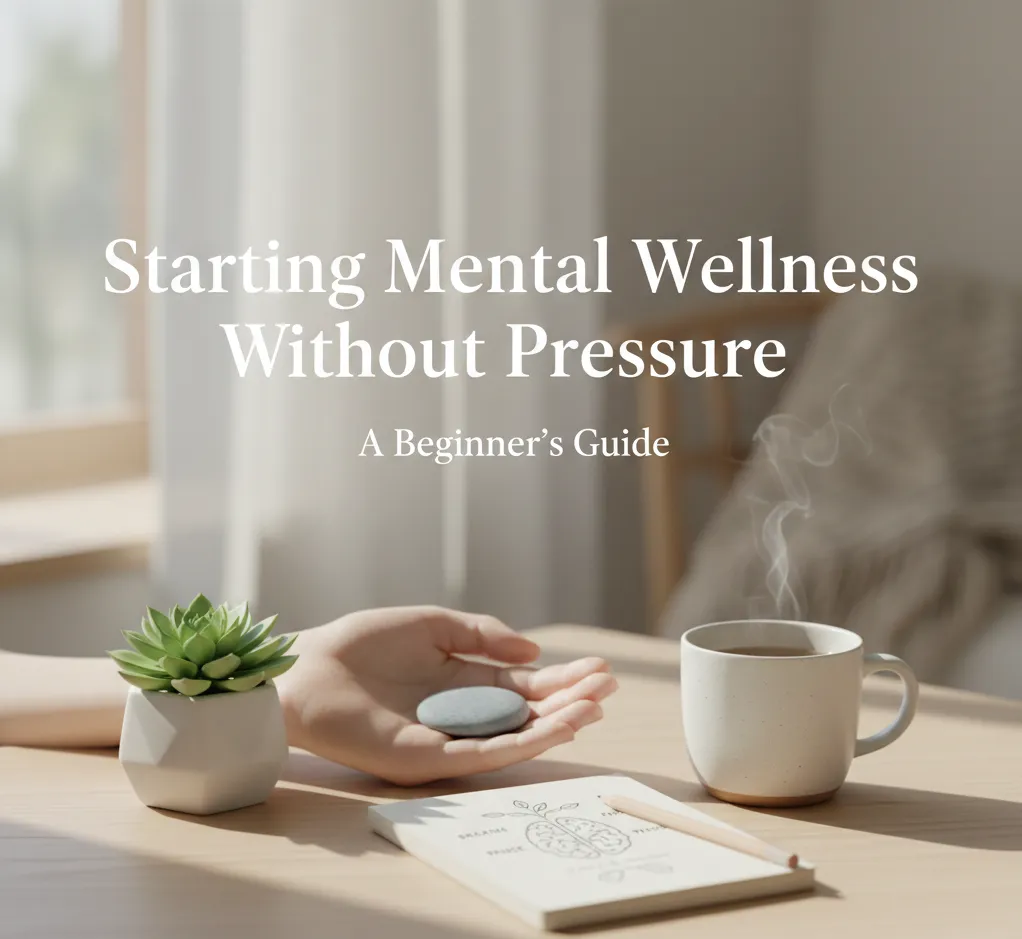
Starting Mental Wellness Without Pressure
If you are new to mental wellness, feeling overwhelmed is completely normal. Many beginners want to improve their mental well-being but feel confused by the enormous amount of advice available online. There are countless routines, opinions, and methods promising fast results, which often creates more anxiety instead of clarity.
For beginners, mental wellness should never feel like another obligation or source of pressure. You do not need to change your entire life, follow strict routines, or aim for constant positivity. Mental wellness for beginners starts gently, with understanding, awareness, and small actions that support your mind over time.
The goal of this guide is simple: to show you where to start, what truly matters, and how to build mental wellness without stress, fear, or unrealistic expectations.
What Is Mental Wellness?
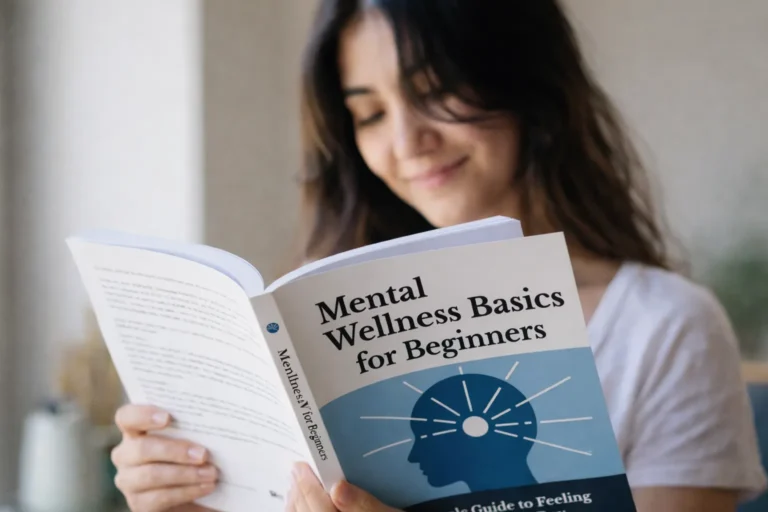
Mental wellness refers to your overall emotional, psychological, and mental well-being. It influences how you think, feel, respond to stress, make decisions, and connect with others in everyday life.
Mental wellness does not mean being happy all the time. It does not mean avoiding sadness, anxiety, or frustration. Difficult emotions are part of being human.
Instead, mental wellness means developing the ability to understand your emotions, respond to challenges in healthier ways, and maintain balance even during stressful or uncertain moments.
For mental wellness for beginners, the focus is not on fixing yourself. It is about learning how to care for your mind with patience, consistency, and compassion.
Mental Wellness vs. Mental Health: A Beginner Explanation
Many people new to this topic confuse mental wellness with mental health, but they are not the same.
Mental health usually focuses on clinical aspects such as diagnoses, disorders, symptoms, and professional treatment. Mental wellness focuses on daily habits, emotional awareness, stress management, and prevention.
Mental wellness basics are for everyone, not only for people experiencing serious mental health conditions. You do not need a diagnosis to start practicing beginner mental wellness.
If you feel stressed, emotionally drained, overwhelmed, or mentally tired, working on mental wellness can help improve your quality of life.
Why Mental Wellness Feels Overwhelming at the Beginning
Mental wellness often feels overwhelming because beginners try to do too much at once. Many people believe they must follow long routines, change their lifestyle completely, or see immediate results.
Common reasons mental wellness feels difficult include:
- Too much conflicting information online
- Pressure to improve quickly
- Unrealistic success stories
- Comparing yourself to others
- Fear of “doing it wrong”
Mental wellness for beginners should feel calming, not stressful. If your approach feels overwhelming, that is a sign to simplify.
The Golden Rule of Mental Wellness for Beginners: Start Small
The most important rule of mental wellness for beginners is simplicity.
You do not need perfect habits, long routines, or strict discipline. What matters most is consistency.
One small habit practiced daily is far more effective than many habits practiced occasionally. Mental wellness basics are built slowly through simple, repeatable actions.
Mental Wellness Basics: Where Beginners Should Start
1. Awareness Comes Before Change
Awareness is the foundation of mental wellness. You cannot improve what you do not notice.
Awareness means paying attention to:
- Your emotions
- Your stress triggers
- Your energy levels
- Your thought patterns
A simple beginner practice is asking yourself once a day:
“How am I feeling right now?”
There is no need to judge or fix anything. Just noticing builds emotional clarity and balance.
2. Calm Your Nervous System
Many beginners experience anxiety because their nervous system stays in a constant state of alert. When the body feels unsafe, the mind becomes restless and overwhelmed.
Simple beginner-friendly practices include:
- Slow breathing
- Gentle stretching
- Quiet moments without screens
- Short pauses during the day
Beginner breathing exercise:
- Inhale through your nose for 4 seconds
- Exhale slowly through your mouth for 6 seconds
- Repeat for 3–5 minutes
This signals safety to your nervous system.
3. Create Gentle Daily Structure
Mental wellness improves when your day has gentle structure. This does not mean strict schedules or rigid routines.
It means creating predictable moments of care, such as:
- A calm morning start
- Short mental breaks during the day
- A relaxing evening routine
Gentle structure reduces mental overload and creates emotional safety for beginners.
Beginner Mental Wellness Habits That Are Easy to Maintain
Morning Mental Wellness Habits
How you start your day affects your mental state.
Beginner-friendly morning habits:
- Avoid your phone for the first few minutes
- Take slow, deep breaths
- Stretch gently
- Set a simple intention
Example intention:
“Today, I will move at a calm and steady pace.”
Mental Wellness Habits During the Day
Mental wellness is practiced throughout the day, not only in the morning.
Helpful habits include:
- Pausing between tasks
- Relaxing your shoulders and jaw
- Drinking water regularly
- Stepping outside for fresh air
Even one-minute pauses can reset your nervous system.
Evening Mental Wellness Habits
Evenings are essential for mental recovery.
Support mental wellness by:
- Reducing screen time before bed
- Writing down worries
- Reflecting on one positive moment
Consistent evening habits support better sleep and emotional regulation.
What Mental Wellness for Beginners Does NOT Require
Many beginners believe mental wellness requires:
- Long meditation sessions
- Expensive programs
- Perfect routines
- Constant positivity
None of these are necessary.
Mental wellness basics focus on:
- Progress over perfection
- Awareness over control
- Kindness over pressure
How Mental Wellness Supports Everyday Life for Beginners
One of the biggest benefits of mental wellness for beginners is how it improves daily life.
You may notice:
- Calmer reactions to stress
- Better emotional awareness
- Improved focus
- More balanced moods
These changes often start small but grow stronger over time through consistency.
Avoiding Comparison on Your Mental Wellness Journey
Comparison is one of the biggest obstacles for beginners. Seeing others with perfect routines can create self-doubt.
Mental wellness for beginners is personal. Your pace and needs are unique. What works for others may not work for you — and that is okay.
Focus on what feels supportive for your life.
Staying Consistent With Mental Wellness as a Beginner
Consistency matters more than motivation.
To stay consistent:
- Choose habits that fit your daily routine
- Keep habits simple
- Reduce pressure when needed
Mental wellness works best when it feels accessible and realistic.
How Long Does Mental Wellness Take to Improve?
Mental wellness is gradual. Many beginners notice small improvements within one or two weeks, such as:
- Feeling calmer
- Better emotional awareness
- Improved sleep
- Less mental tension
Long-term mental wellness develops over months through gentle consistency.
Common Beginner Mistakes (And How to Avoid Them)
Common mistakes include:
- Trying to change everything at once
- Expecting immediate results
- Being too hard on yourself
- Comparing your progress to others
The solution is simple: start small, stay patient, and practice self-compassion.
When to Seek Professional Support
Mental wellness habits support daily life but do not replace professional care.
Seek professional help if you experience:
- Persistent sadness
- Severe anxiety
- Panic attacks
- Thoughts of self-harm
Asking for help is a strong and healthy decision.
Mental Wellness for Beginners Is Built on Self-Compassion
Mental wellness is not about fixing yourself. It is about listening to your mind, respecting your limits, and building trust with yourself.
Self-compassion is one of the most powerful mental wellness basics and creates long-term emotional resilience.
Final Thoughts: Start Where You Are
If you are new to mental wellness, remember:
- You do not need to do everything
- You do not need to do it perfectly
- You only need to start
Choose one small habit. Practice it daily. Allow your mental wellness to grow naturally.
That is how mental wellness for beginners truly begins — calmly, gently, and sustainably.